
HOUSING SOCIETIES
EV charging in housing societies: a committee checklist
Published · Updated 27 October 2026 · Vasudha editorial
A workable society charging plan needs shared rules as well as electrical work. Agree parking access, cost responsibility and decision-making before residents commit to an installation.
Start with a resident needs survey
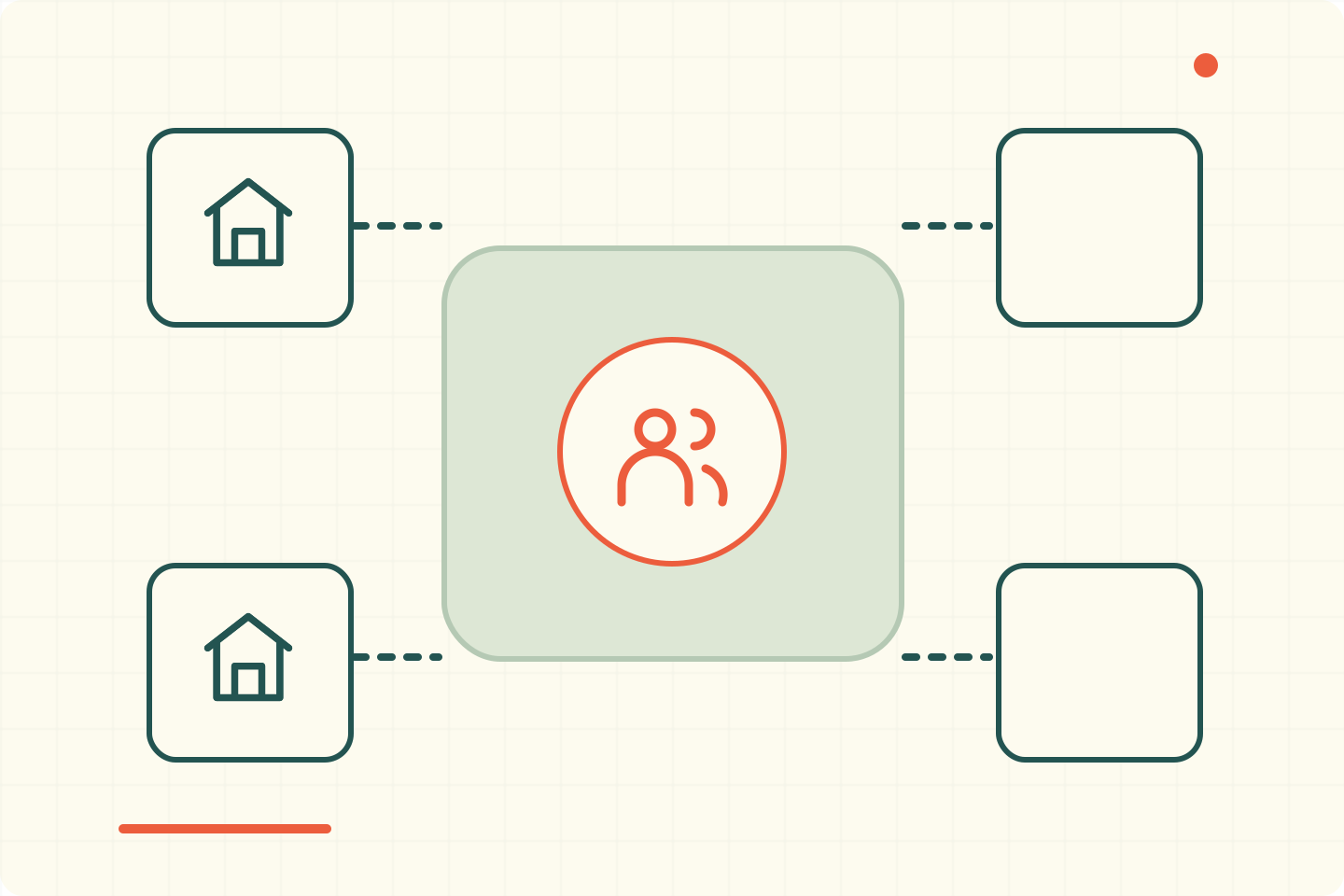
Record current EVs, expected near-term additions, assigned parking and usual overnight availability. Ask which vehicle types residents own. The aim is a realistic first phase rather than a promise to connect every bay immediately. Keep individual personal information out of publicly shared planning documents.
Agree the community arrangements
Discuss who owns the installation, who may use it and how electricity and maintenance costs will be allocated. Clarify committee permissions and the process for adding users. A shared facility and individually assigned charging points may create different practical and governance questions.
Review the building infrastructure
Collect the supply and distribution information for review by qualified professionals. Consider cable routes through common areas, parking access and future expansion. Metering and load-management options depend on equipment, the electrical arrangement and local requirements. They should not be assumed from a brochure feature alone.
Make the first phase manageable
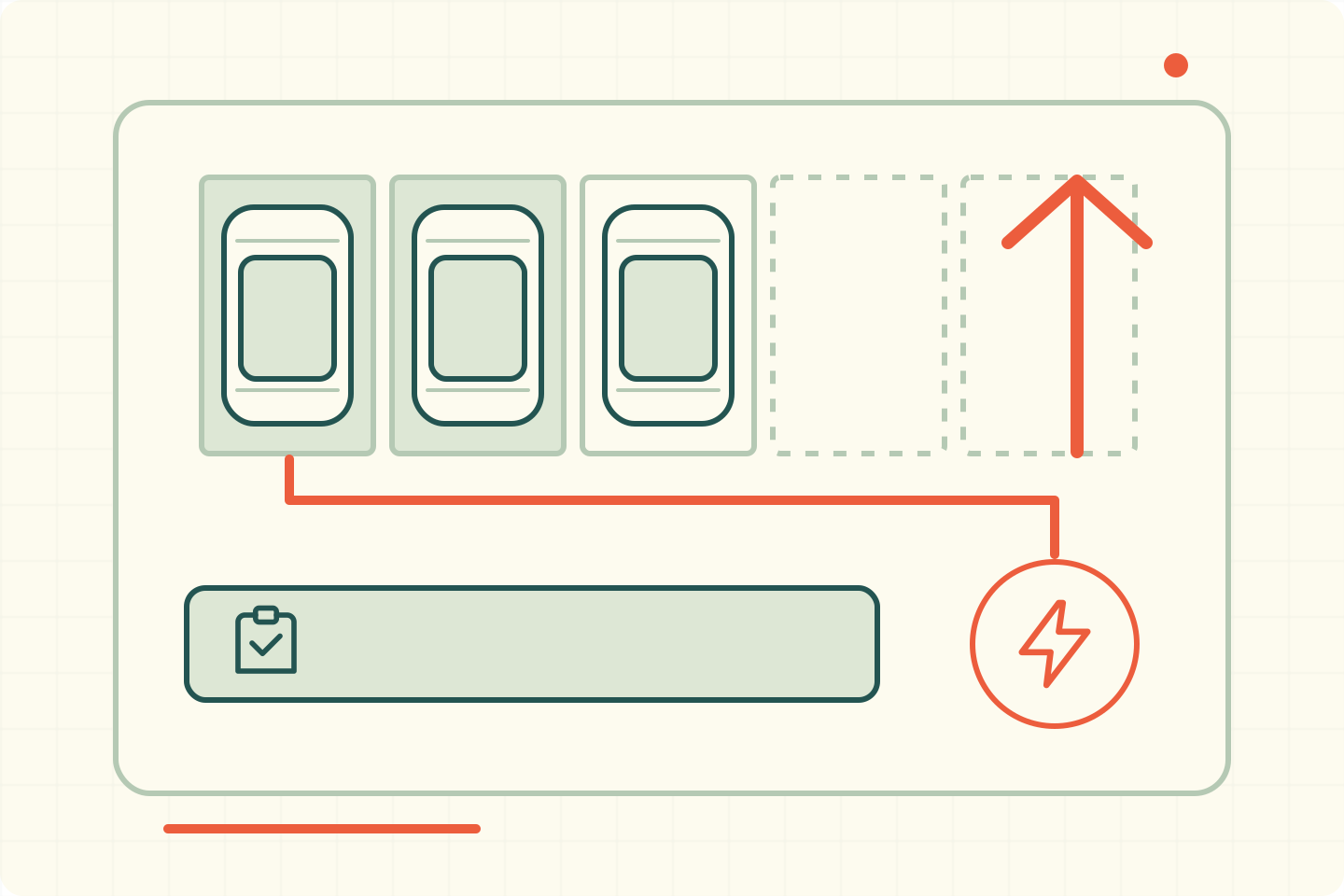
For example, a society with a small initial EV group can explore a limited deployment and a documented pathway for later additions. Record the scope, exclusions, maintenance owner and process for reporting faults. Make sure residents know who authorises any changes to common infrastructure.
Check rules before committing
Consult current official charging guidance, applicable building requirements and the local distribution utility. Do not assume a planning article establishes permission or entitlement for a particular bay. Share the society location and committee brief with Vasudha to discuss infrastructure scope and the information needed for an assessment.
Create a decision record residents can follow
Record the initial demand, proposed access rules and cost allocation. Explain what is known and what requires technical assessment in language residents can understand. When a decision is made, retain the scope, responsibilities and process for later requests. The aim is an arrangement the community can explain consistently as EV ownership grows.
Plan everyday questions before launch
Residents will ask how to access a bay, whom to contact when it is unavailable and what happens when demand exceeds provision. Agree who answers and who authorises changes to the installation. Signs, notices and a simple fault-reporting process can help. These details belong alongside the installation discussion, rather than waiting until a user encounters a problem.
Ask for a clearly separated proposal
Request equipment, distribution, cabling, mounting or civil work, testing and commissioning responsibilities. Check exclusions and whether permissions or utility input remain outstanding. Compare proposals using the same parking and demand assumptions. The committee need not become an equipment expert, but should be able to explain what it is buying and which responsibilities remain with it.
Bring the questions to your site.
Tell us what you are planning. We can identify a useful starting point for the infrastructure discussion.