
FLEET OPERATIONS
How to approach charging for commercial fleets
Published · Updated 27 October 2026 · Vasudha editorial
Work backwards from when each vehicle must be ready. Fleet charging planning connects duty cycles, energy demand and available power with a schedule the business can actually use.
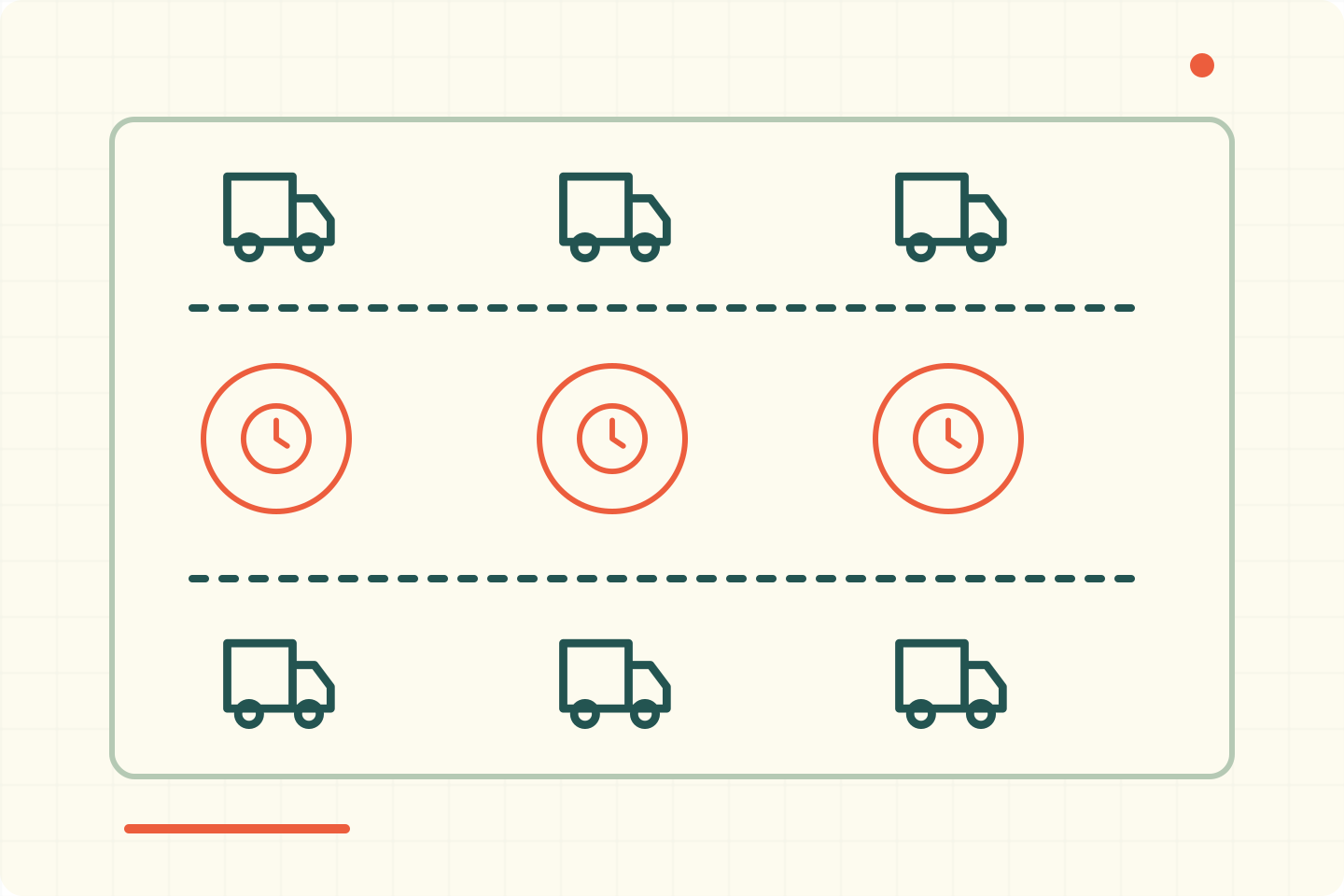
Create a vehicle readiness schedule
List vehicle models, routes, arrival times, next departures and expected energy needs. Separate overnight charging from vehicles needing a quick turnaround. A vehicle count alone does not reveal how many charging points are needed or whether vehicles can share equipment during different windows.
Check compatibility and constraints
Confirm connector and charging capabilities from the vehicle and equipment documentation. Review the supply with the responsible electrical team. Charger ratings cannot be added together and assumed to be available at all times. The site's other loads and any proposed demand management must be considered.
Design around depot movement
Locate bays so charging does not obstruct loading, dispatch or maintenance. Consider cable reach and safe pedestrian movement. Identify who parks vehicles, connects them and checks readiness. A technically capable installation still needs a clear operating routine to support the fleet.
Plan for interruptions
Discuss what happens if a charger or the supply is unavailable. Establish fault reporting, service responsibilities and OEM dependencies. Do not assume a maintenance arrangement provides a guaranteed response time unless it is expressly agreed. Expansion plans should include both future vehicles and the infrastructure needed to support them.

Prepare a useful first brief
Send the depot city, layout, fleet models, typical schedules and available electrical information. An example schedule is more useful than an unverified request for a particular power rating. The NITI Aayog handbook provides planning context; project design and commercial assumptions need their own assessment.
Use a representative operating week
An average day can hide a fleet's busiest period. Consider route changes, shift overlaps, loading delays and days when vehicles return late. Document assumptions used to describe vehicle readiness. This creates a more useful discussion about windows and capacity than a fleet total, while grounding the model in how the business actually works.
Make responsibilities part of the depot plan
Identify who parks each vehicle, connects it, checks charging has started and confirms readiness for dispatch. Decide how drivers report faults and who coordinates support. If vehicle groups share equipment, agree an allocation routine. These actions connect the physical installation with the people accountable for using it.
Consider growth as a separate scenario
Describe additional vehicles or another shift as a future scenario with its own assumptions. Assess changes to parking, capacity and schedules. A phased project can consider future routes and bays while focusing initial investment on present needs. Revisit expansion against actual demand and verified capacity rather than assume the first installation supports every later requirement.
Bring the questions to your site.
Tell us what you are planning. We can identify a useful starting point for the infrastructure discussion.